Images you could never photograph. Still recognisably yours.
We build campaigns with generative AI for brands in any sector — fashion, manufacturing, furniture, food, services — without the result looking like every other generated image.

Almost every generative campaign has the same flaw
You see the technology before you see the brand. The image works as a demonstration — look what we can do — and within a season it ages, because it looks like everything else coming out of the same tools.
The brand signs it but doesn’t recognise itself in it. That is why so many companies try AI once and then go back: not because the result was ugly, but because it wasn’t theirs.
The question isn’t “does it look real?” It’s “is it yours?”
It’s the same question we put to any studio shot: does it fall inside the brand’s grammar — palette, framing, distance, gesture — or not. If it doesn’t, we do it again, exactly as we would redo a failed shoot. No image leaves here because it is technically impressive: it leaves because it is recognisable.
Two proofs, two sectors
One hat in four impossible worlds
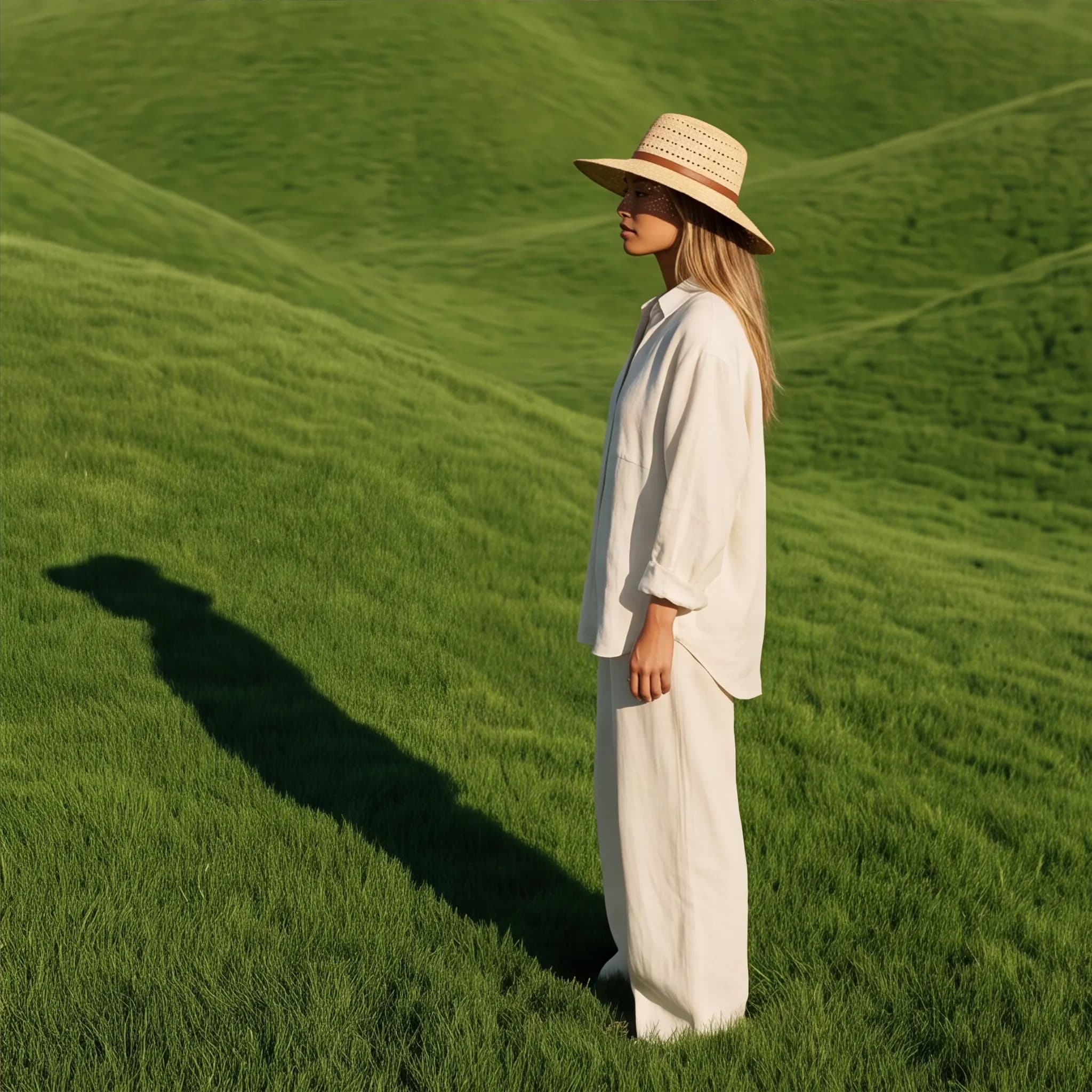
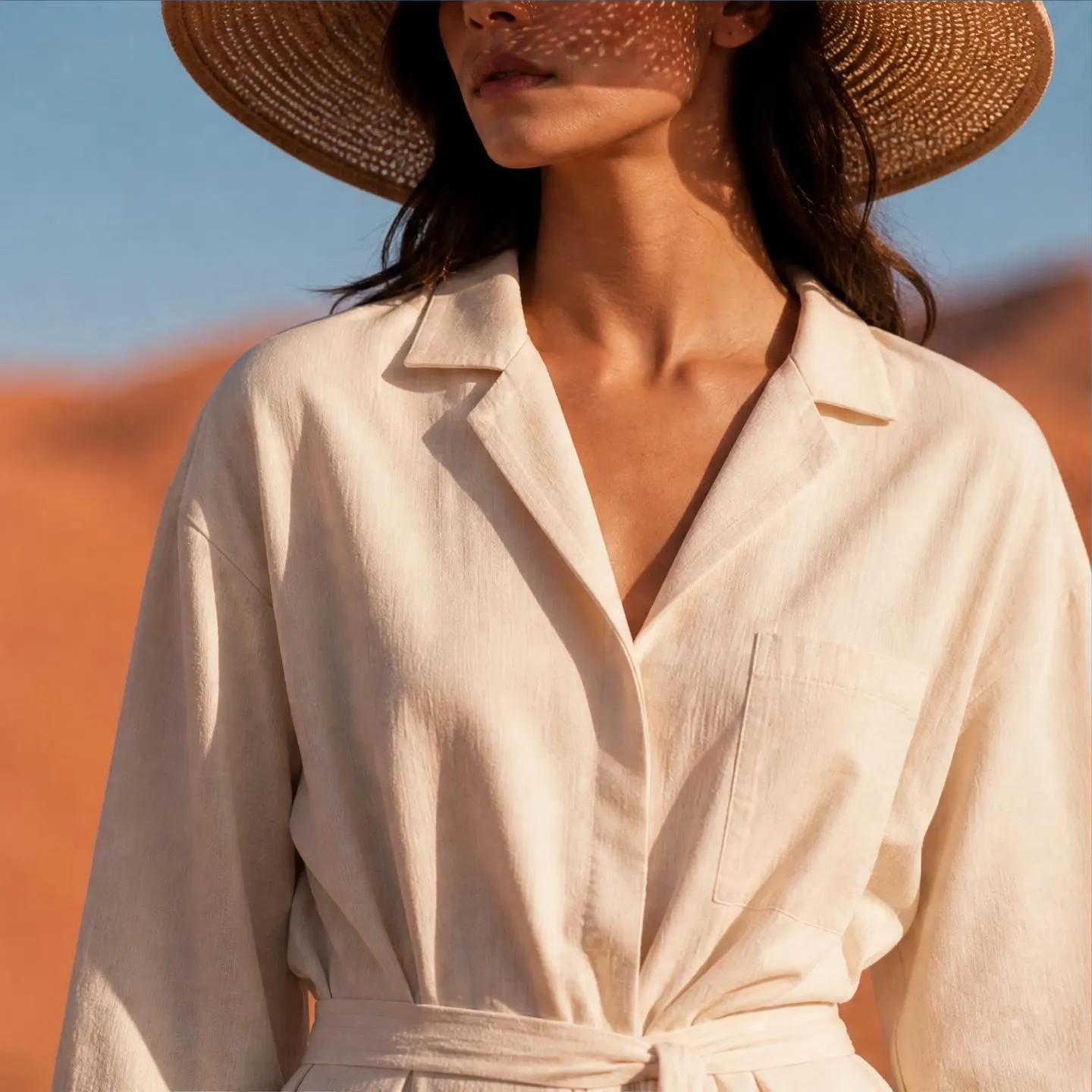
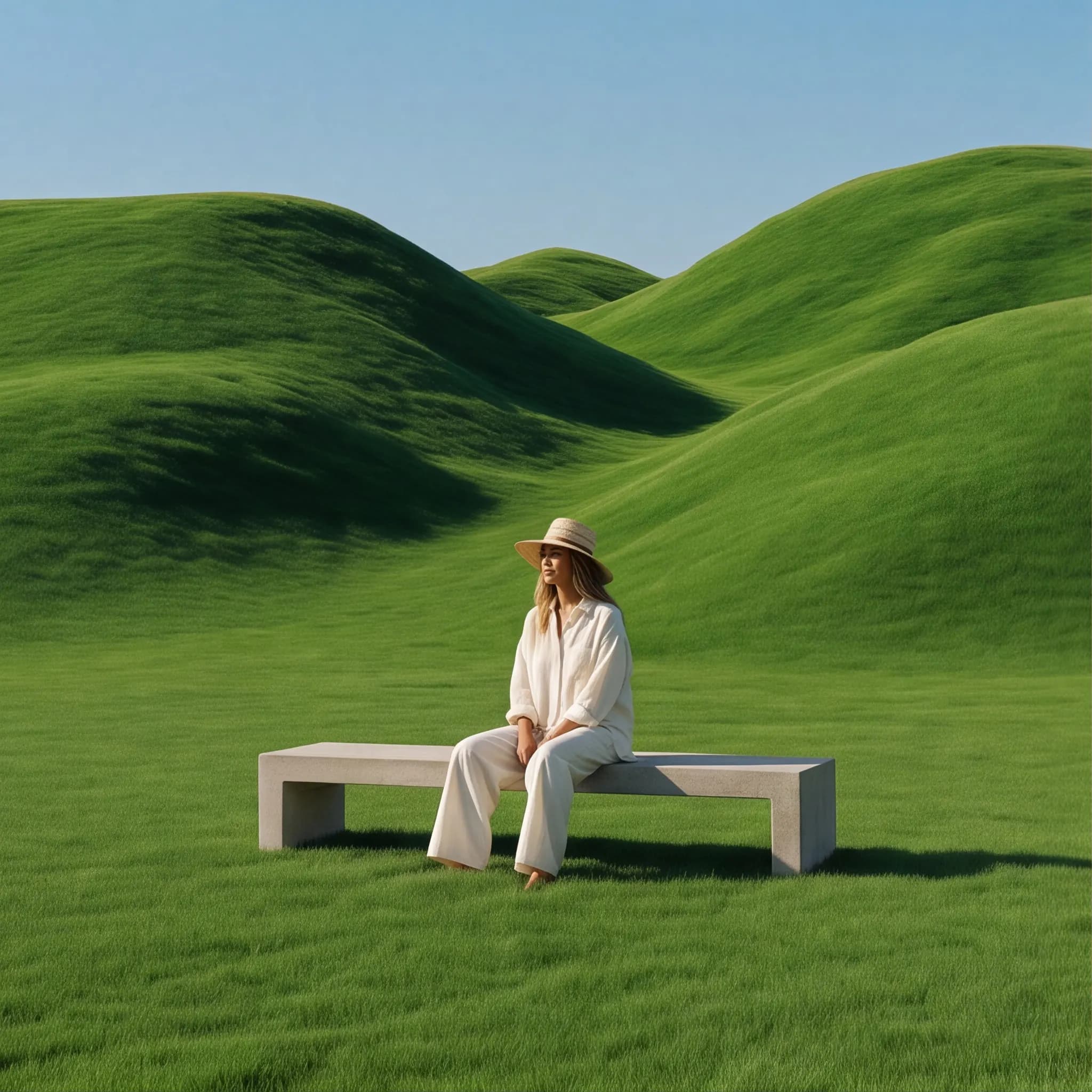
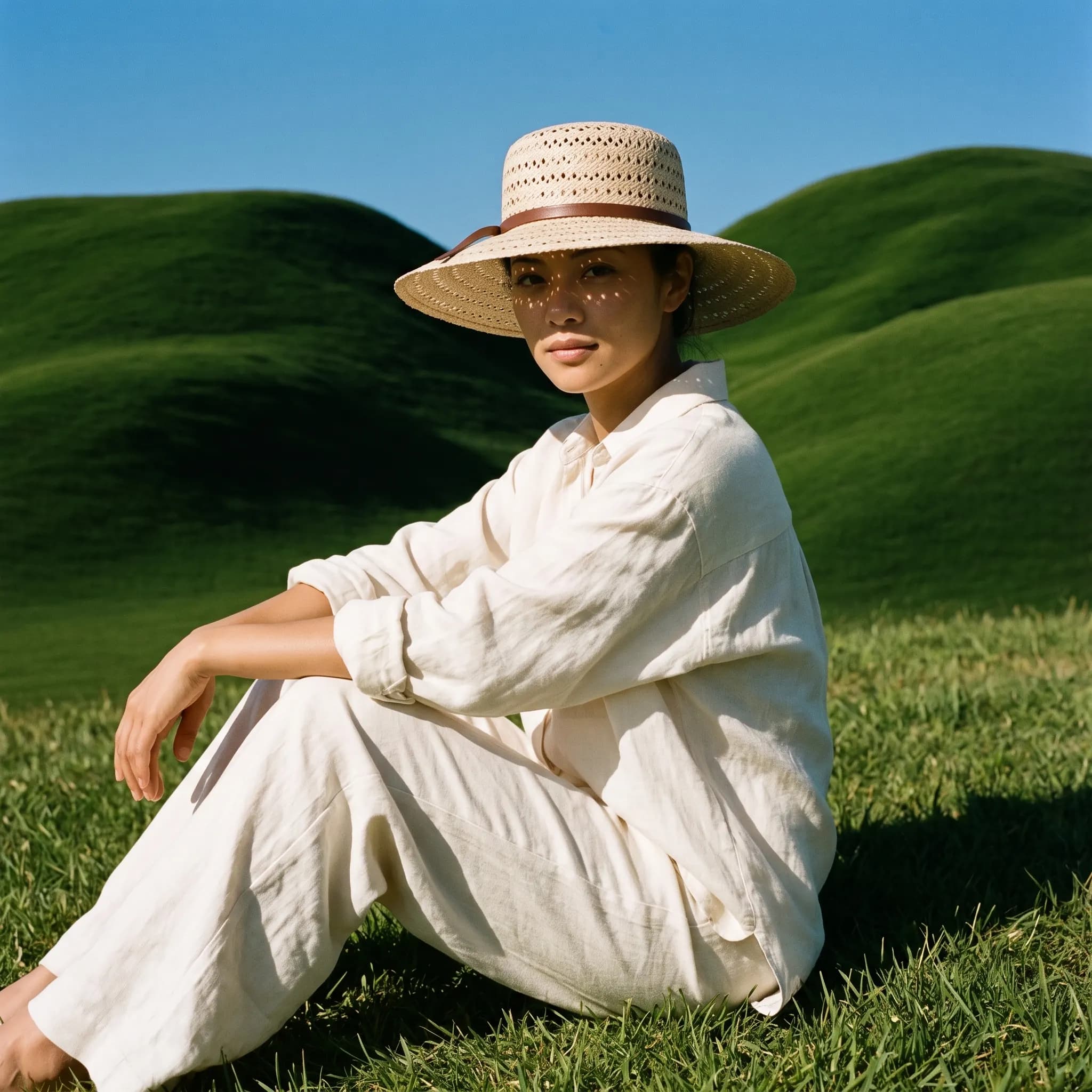
Tirabasso makes hats for luxury maisons. We wanted to take the hat into four worlds — a green field, a spread of flowers, a desert, an abstract space — that no budget would have produced: four locations, four trips, four different seasons. We built them instead. The grammar, though, is single: the figure small in the field, colour acting as both backdrop and subject, the hat as the only constructed presence.
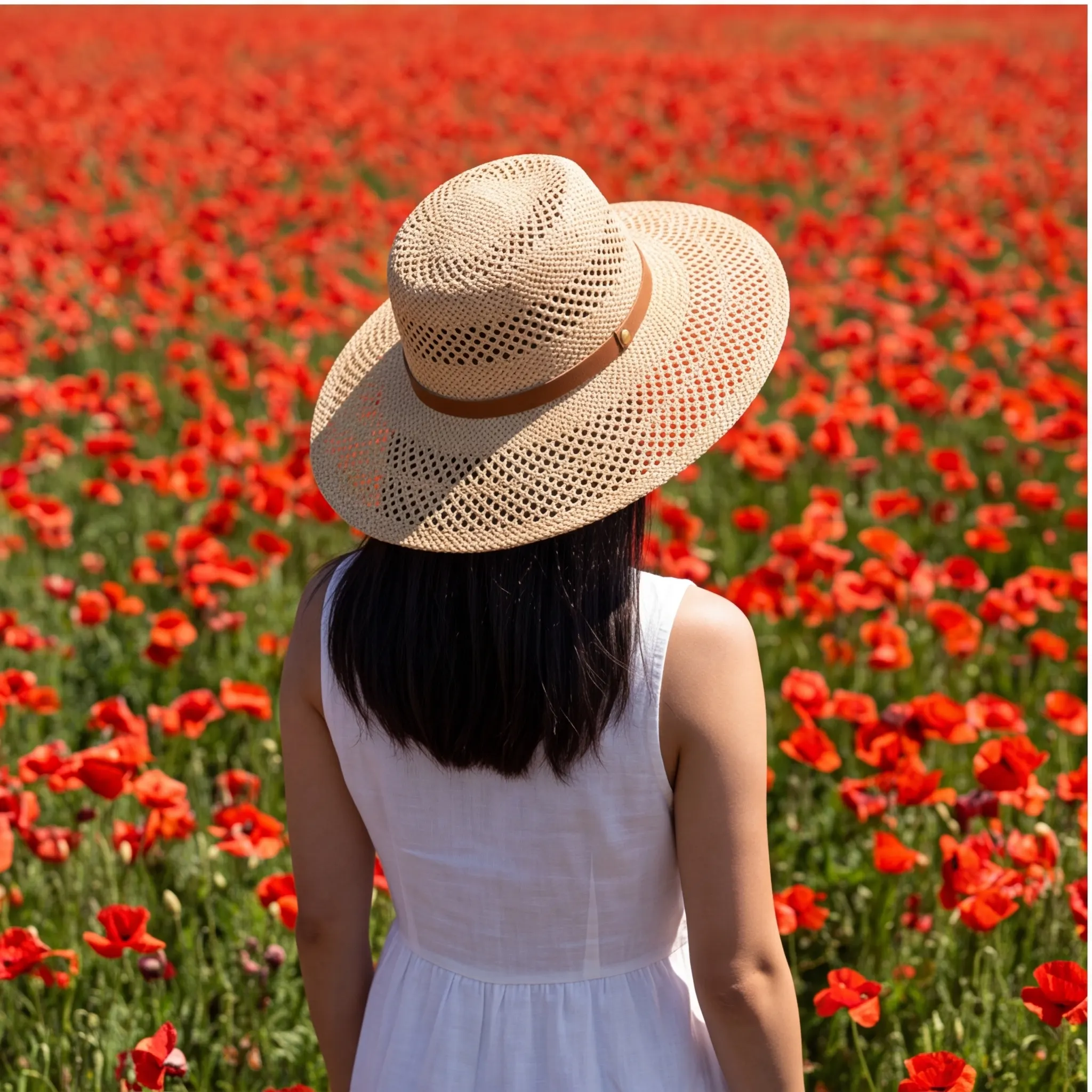
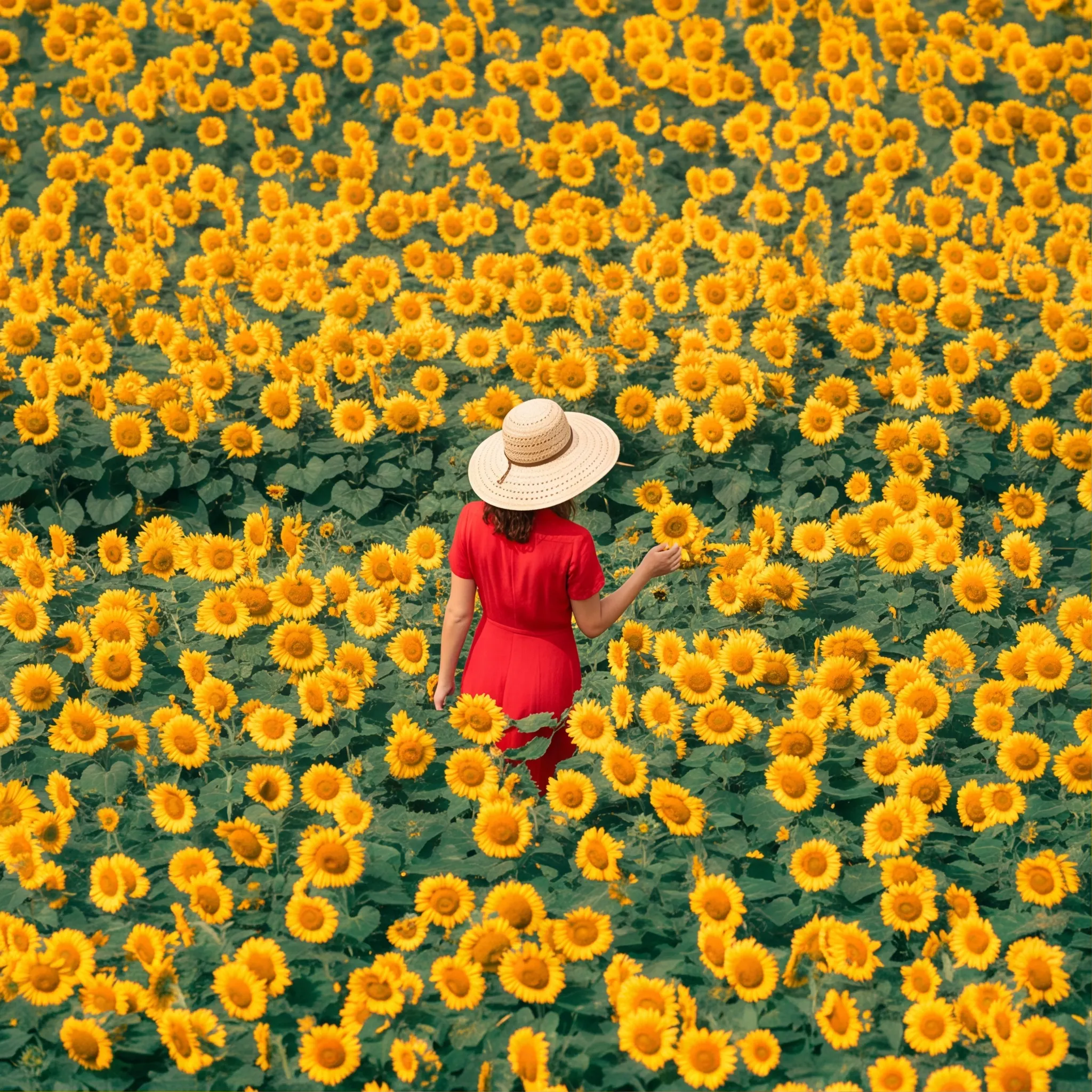
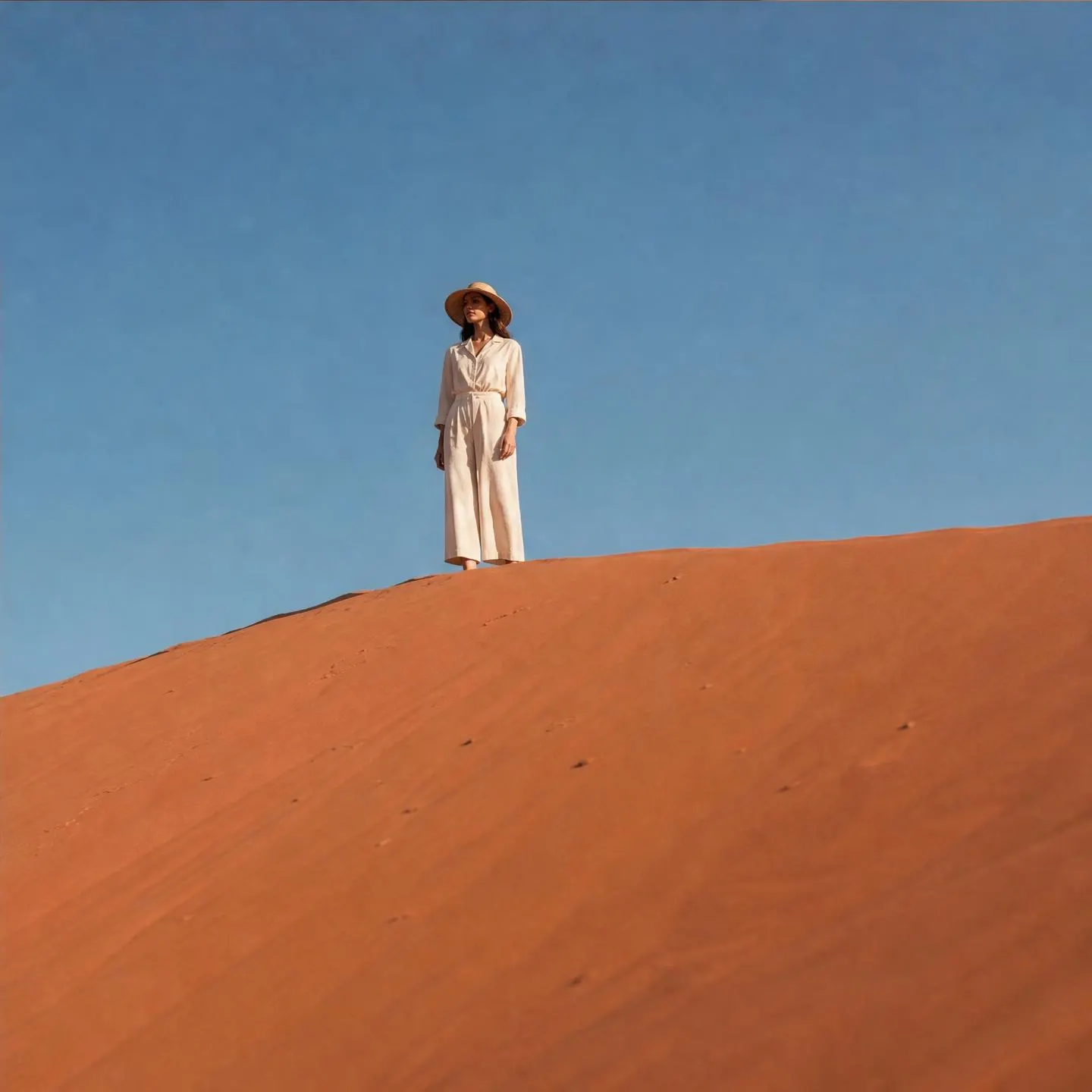
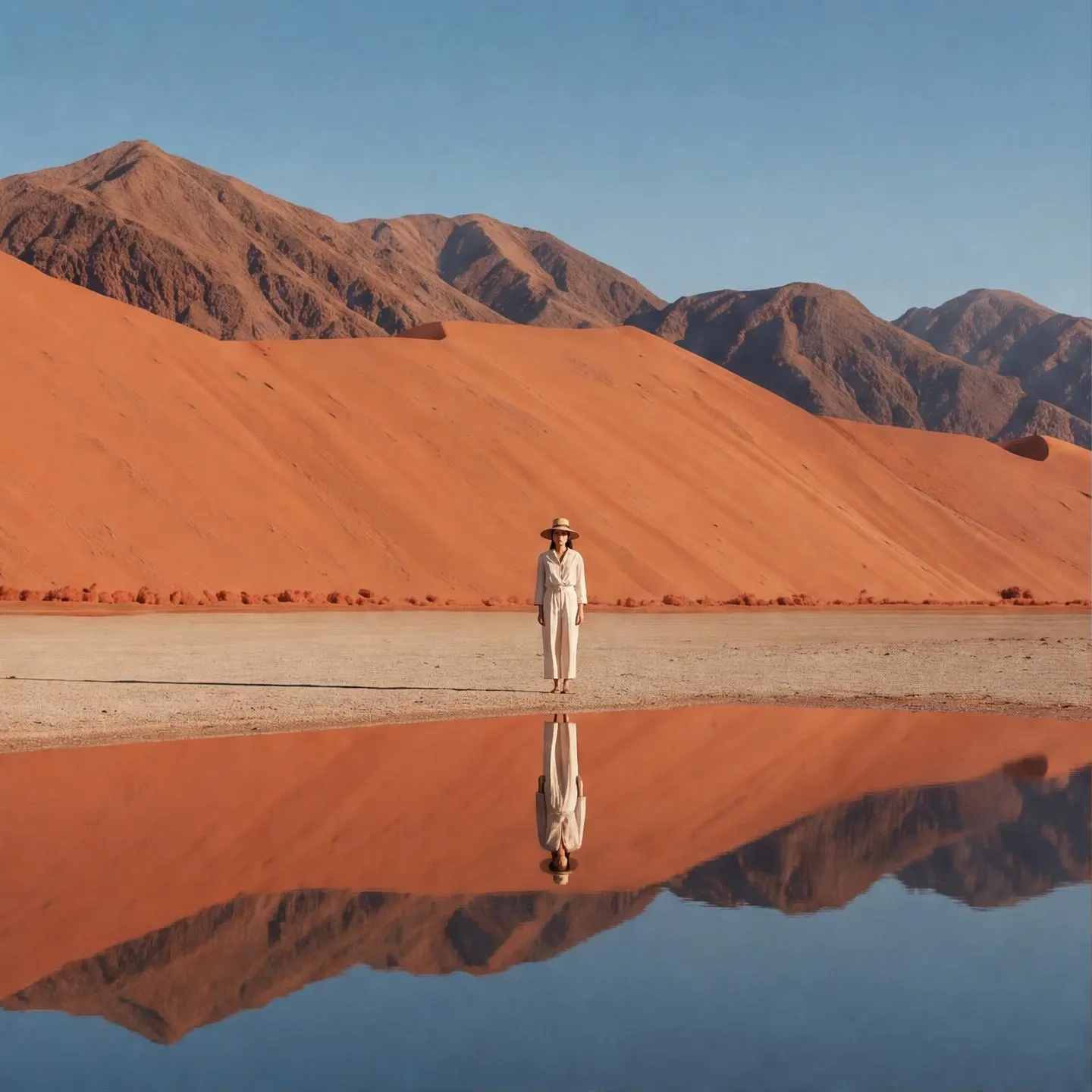
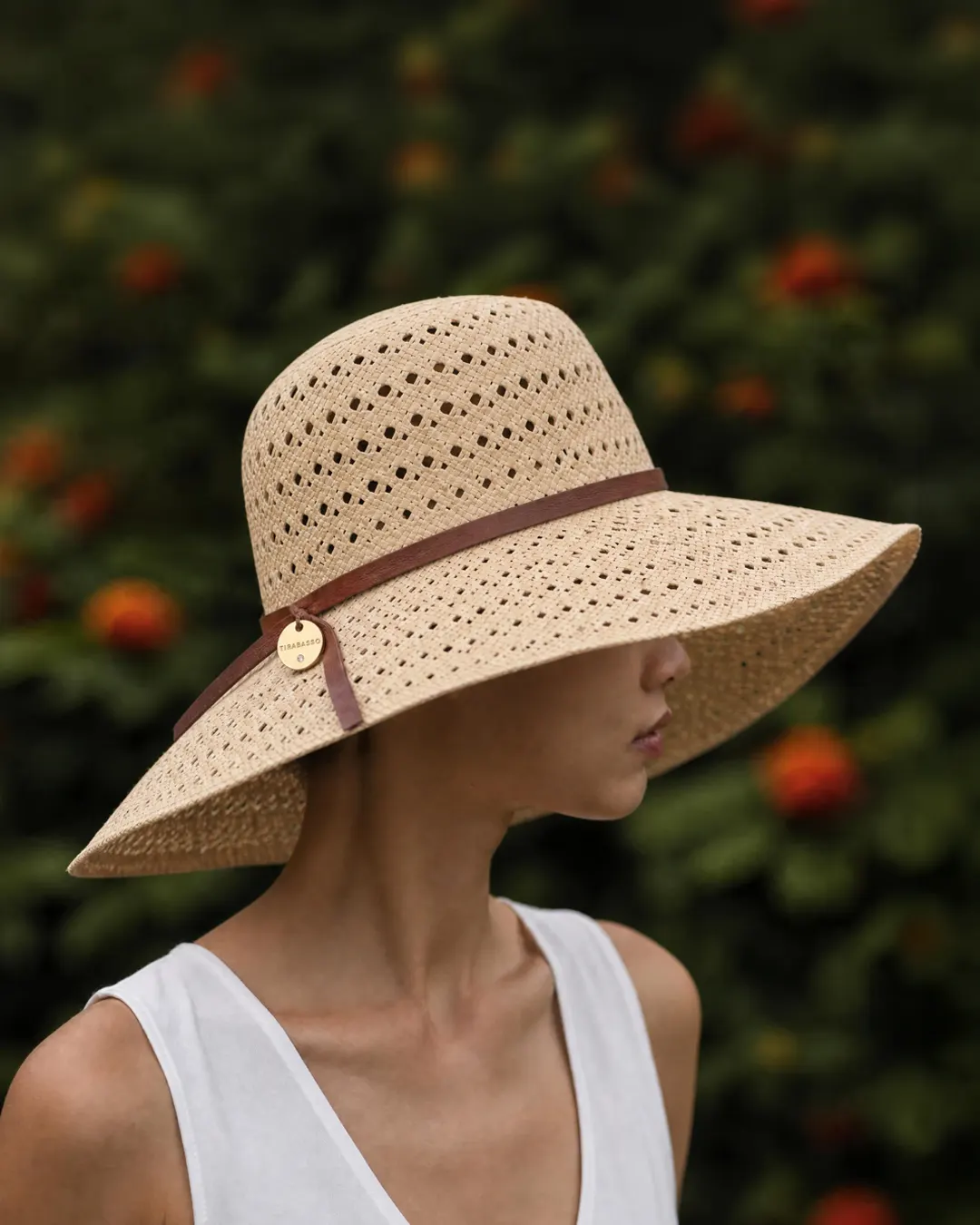
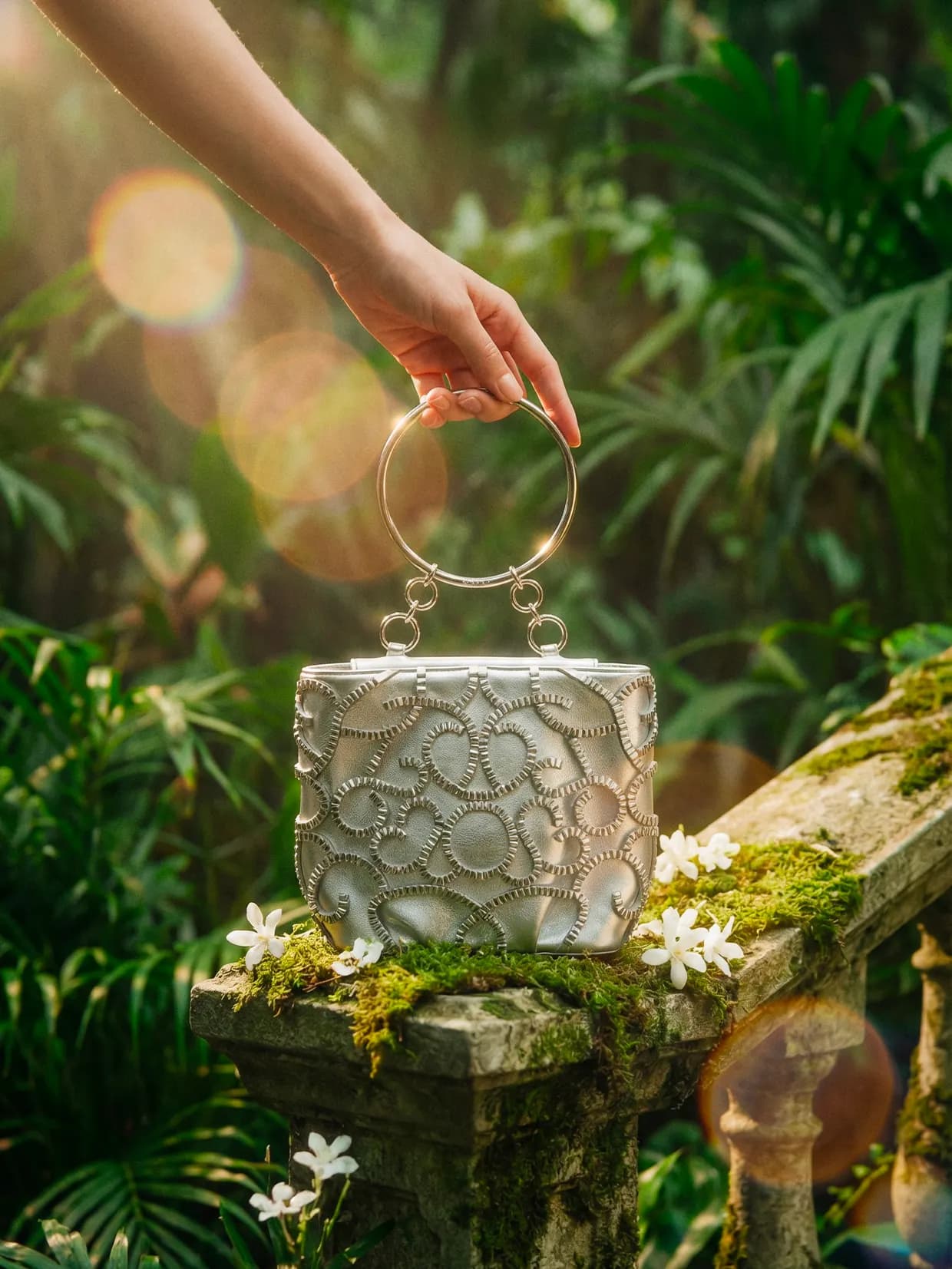
A fashion campaign that was never shot
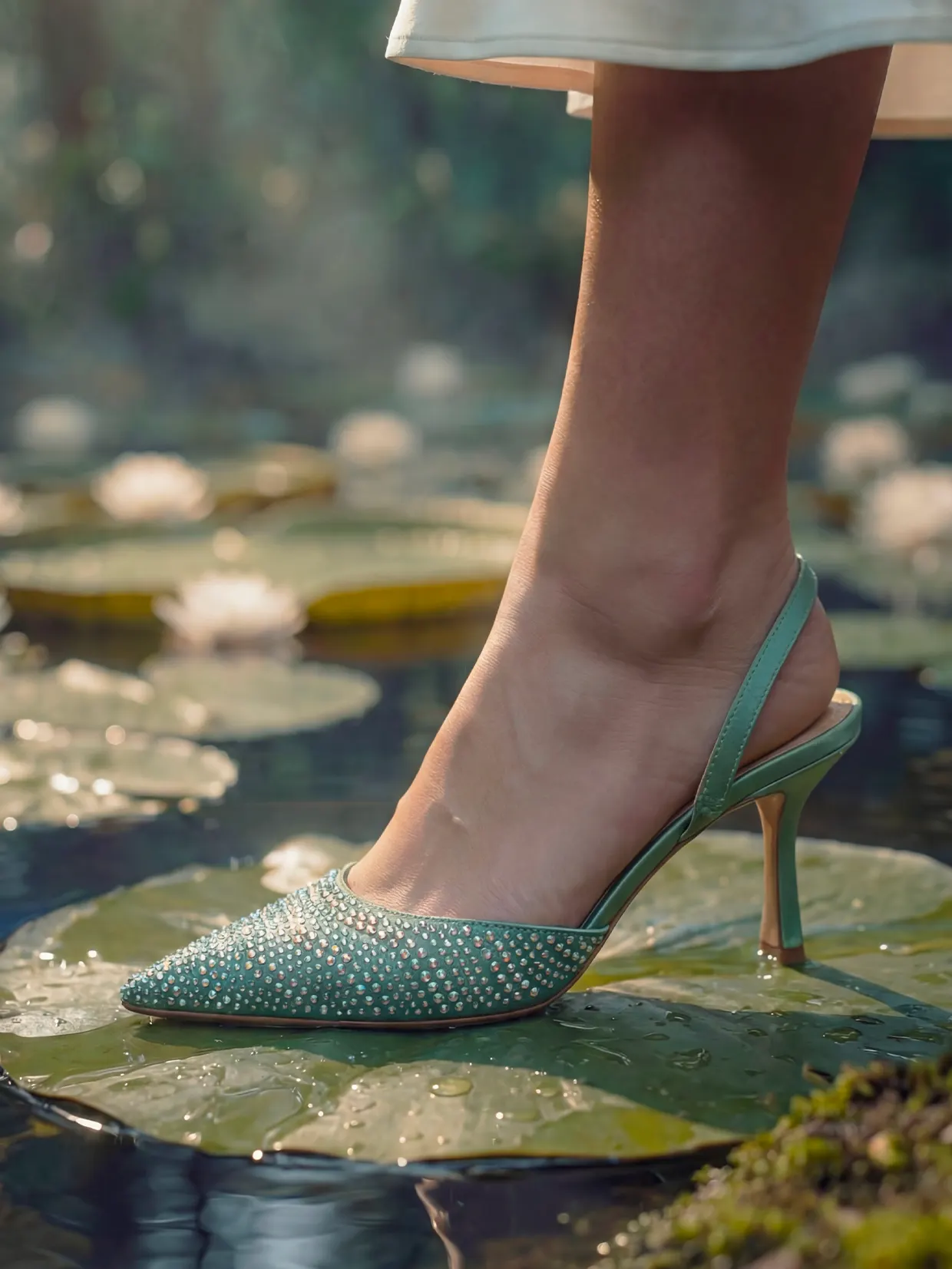
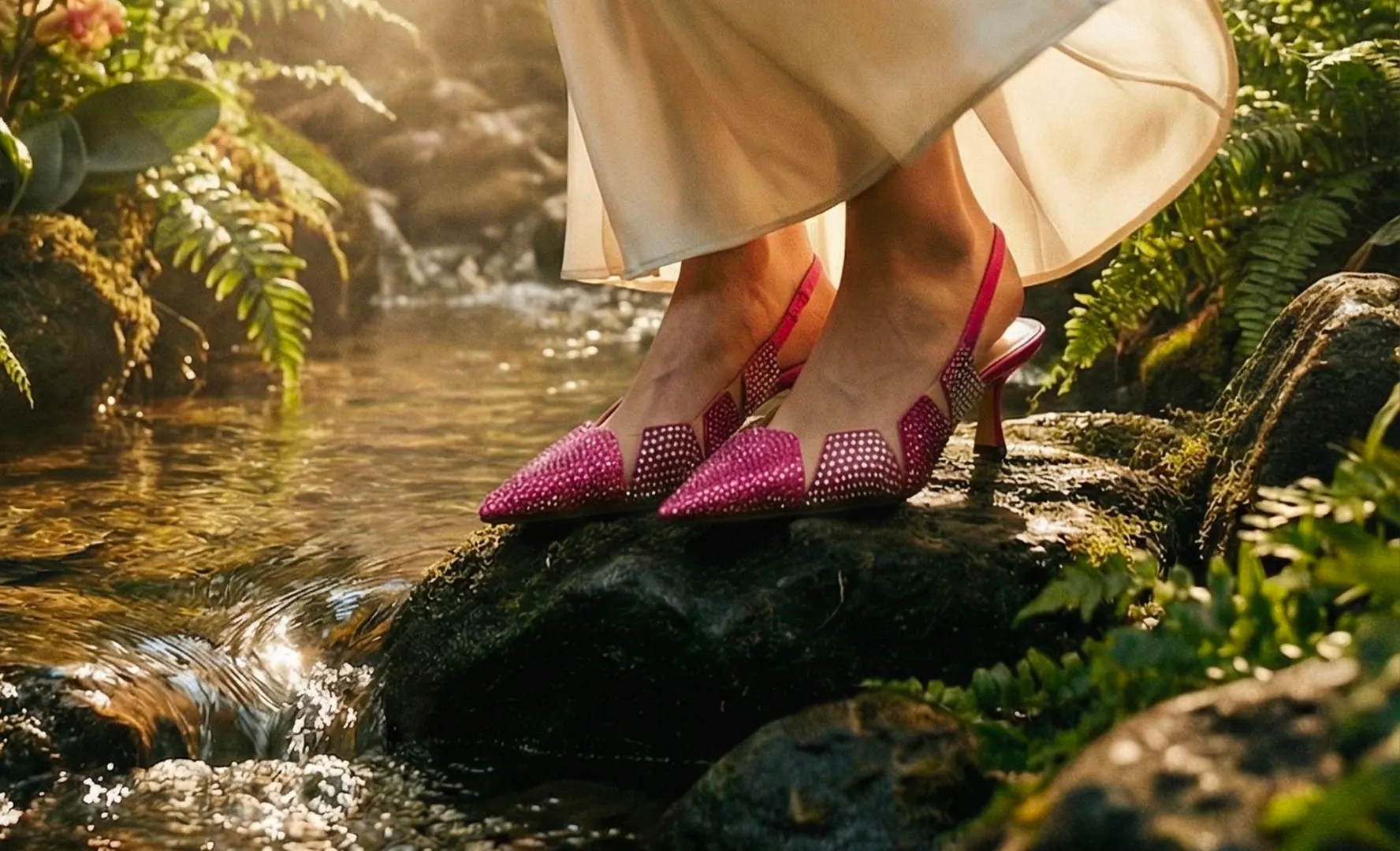
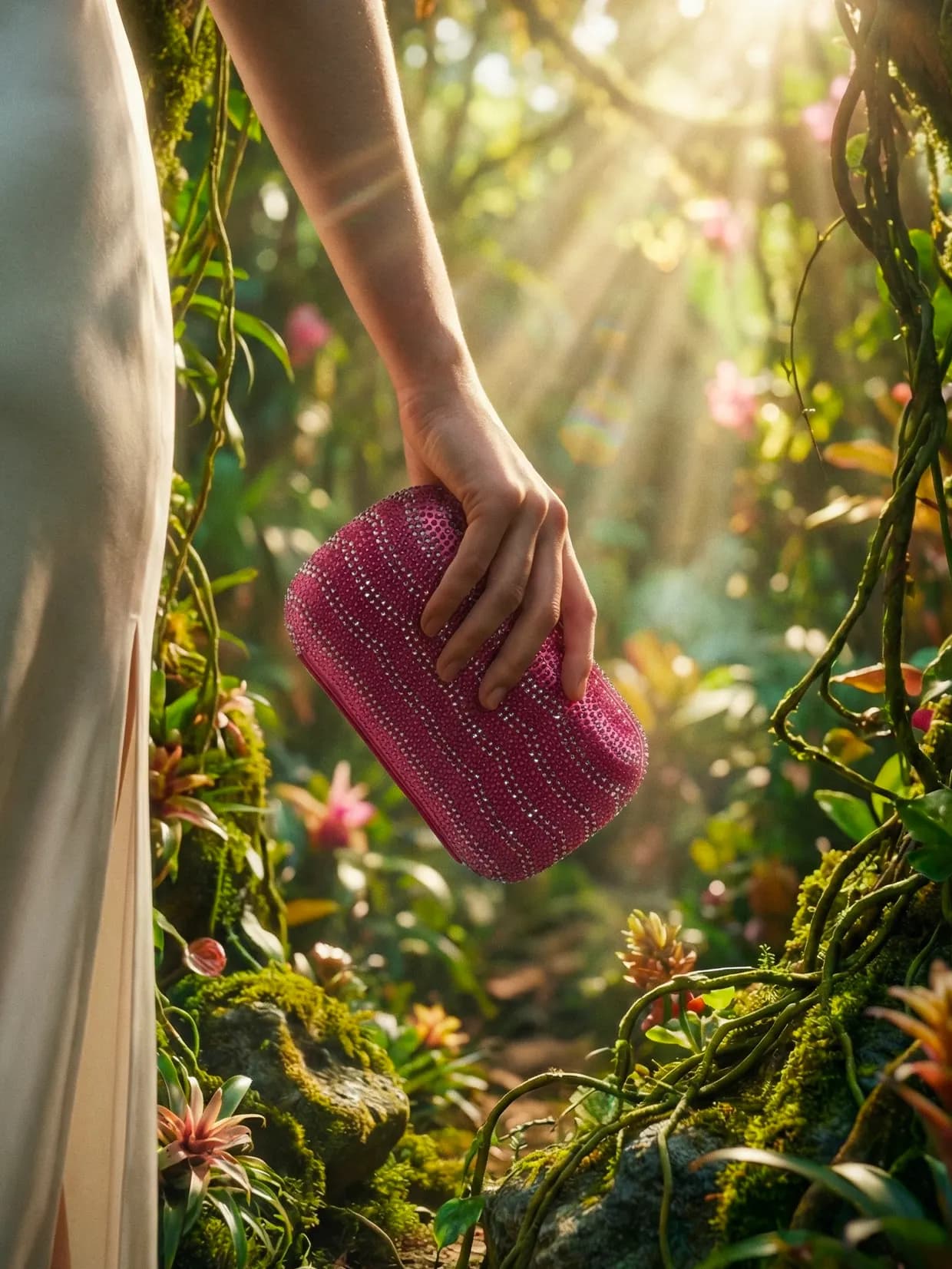
In luxury the risk of gadgetry is at its highest: it takes very little for a generated image to slip into special effect. We treated the model as a set — same iconography, same palette, same withheld gesture as the photographed campaigns — and kept only what could sit next to a real shot without jarring.
What actually changes
- 01
What was out of reach becomes possible
This isn’t about saving money on a shoot: it’s about producing images a shoot cannot give you. A location that doesn’t exist, the wrong season, a product not yet in production, a whole world built around a small object.
- 02
The budget decides how much, not whether
A campaign that would require travel, permits, casting and an on-site crew lands in a different range. The budget stays the starting fact, stated up front — it sets the scope of the project, never the quality of what we deliver.
- 03
Variations stop being a problem
Different formats, different markets, a new season on the same visual system: once the grammar is fixed, extending the campaign costs a fraction of the first round.
What AI does not replace
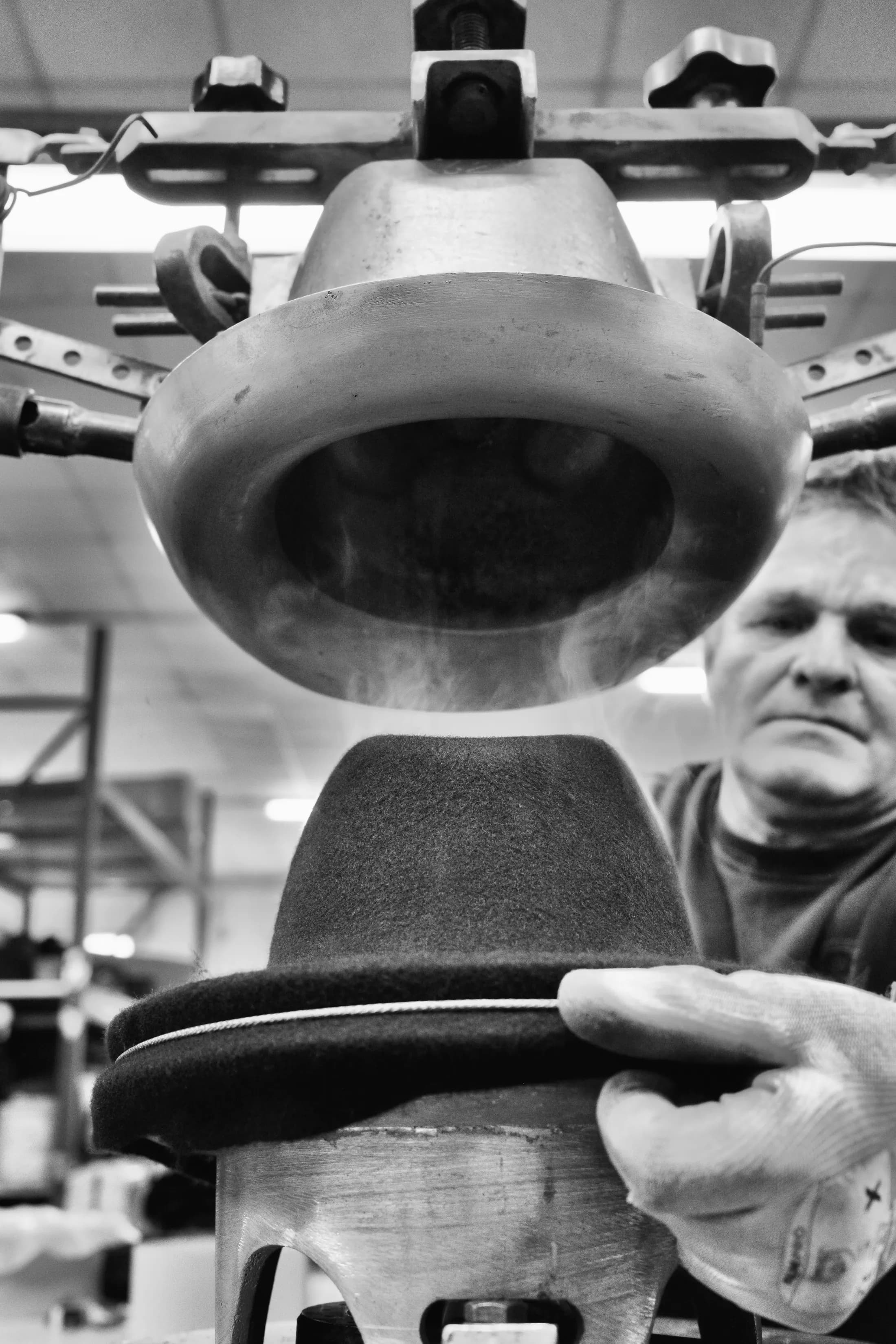
Photography. In the Tirabasso project the factory is documented in black and white, with a camera: the place, the machines, the hands shaping the straw. That register proves the craft, and no generated image can take its place. The constructed campaigns do something else: they create desire. The two halves hold each other up — the proof makes the desire credible, the desire makes the proof interesting.
Which sectors
The method doesn’t change with the product: what changes is the grammar to respect. We have worked with fashion brands, craft producers, manufacturers, hospitality, wood and furniture, and the non-profit sector.
Fashion and accessories
Manufacturing and industry
Furniture, wood and design
Food, wine and hospitality
Craft and small-batch production
Services, professions and non-profit
How it works
- 01
The concept, before the images
We start from a written idea and a deck: what the campaign has to say, in which visual grammar, on which channels. It is the part our clients point to as the one they don’t find elsewhere.
- 02
Building and selecting
We generate a lot and discard almost all of it. What survives is corrected by hand, in post-production, until it falls back inside the grammar set at the start.
- 03
Delivery and variations
We deliver the campaign in the formats that are actually needed — print, social, web, retail — and remain the single point of contact for everything that follows.
Start with a question of your own
Tell us about an image you need and can’t produce. We’ll tell you whether AI can do it, how we would set it up and what it costs — even when the answer is that you’re better off photographing it.
Email usinfo@studiokubla.com